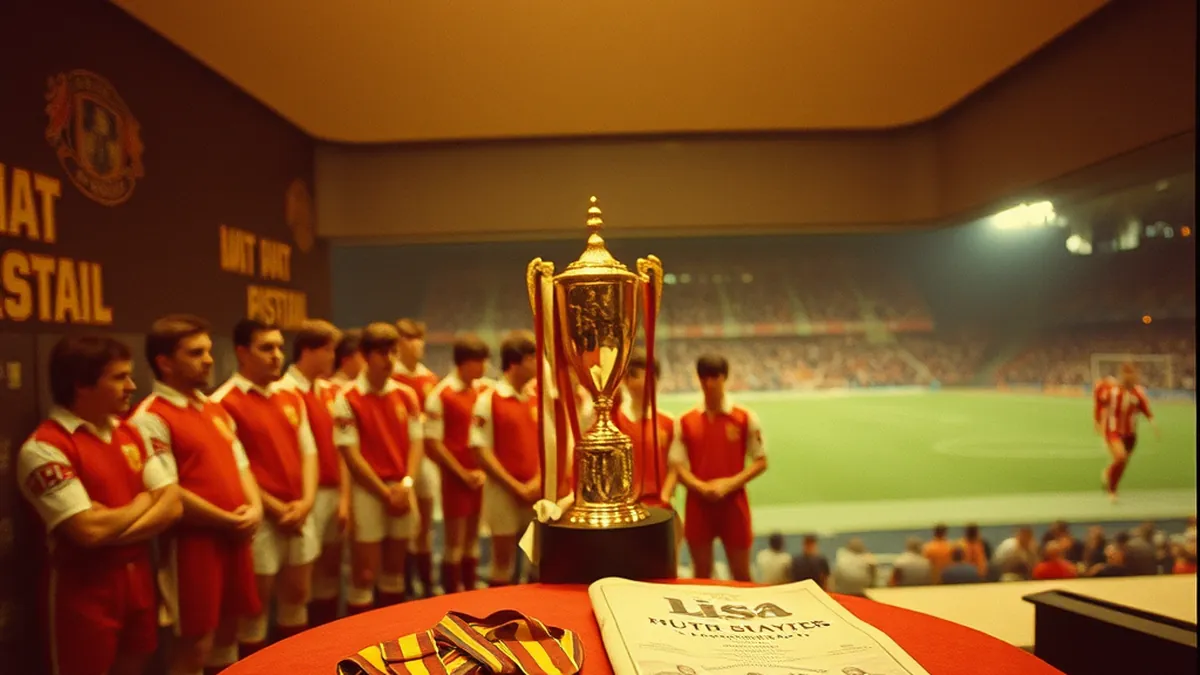
The 1960s were a key decade for Doncaster Rovers, a period that saw the club rise from the depths of the Third Division to the heights of the Second Division, showcasing a blend of resilience, talent, and community support. Under the management of the legendary Lawrie McMenemy, the Rovers became a force to be reckoned with, not only in the local leagues but across the nation.
In 1967, the Rovers achieved promotion to the Second Division, a feat that had long eluded the club. This success was built on the back of a squad that blended youthful exuberance and seasoned experience, spearheaded by players who would become legends in their own right. The likes of goalkeeper Ron Springett and forward David Leather were instrumental in transforming the team into a competitive unit, known for their attacking style of play and gritty determination on the pitch.
The excitement surrounding the Rovers during this era was palpable. Home matches at Belle Vue drew larger crowds, with supporters flocking to witness the team’s thrilling encounters. The atmosphere was electric, and the community rallied behind the team, fostering a sense of unity and pride that transcended the football field. Fans would often reminisce about the thrilling 3-2 victory against their local rivals, which was a defining moment in the club’s journey during that decade.
McMenemy’s tactical nous and ability to motivate players were key to this transformation. He understood the importance of building a team that not only played well together but also had the tenacity to fight for every point, particularly in tough away fixtures. The combination of McMenemy’s leadership and the players’ commitment laid the foundation for the club’s success in the years to follow.
As the 1960s drew to a close, the Rovers had firmly established themselves as a Second Division club, setting the stage for future ambitions. The legacy of this period is still felt today, as the club continues to strive for success while honoring its rich history. The fans who witnessed the rise during this time often share stories with the younger generations, ensuring that the spirit of that era lives on within the Doncaster community.
In reflecting on the 1960s, it’s clear that Doncaster Rovers not only transformed their fortunes on the pitch but also created a lasting bond with their supporters. This era was marked by not only victories and promotions, but a collective identity that continues to define what it means to be a part of the Rovers family. As the club looks to the future, the lessons learned and the spirit fostered during this unforgettable decade remain a guiding light, inspiring both players and fans alike.